

 Led, Aydınlatma ve Elektrik İç Tesisat Fuarı Aydınlatmada Yeni Nesil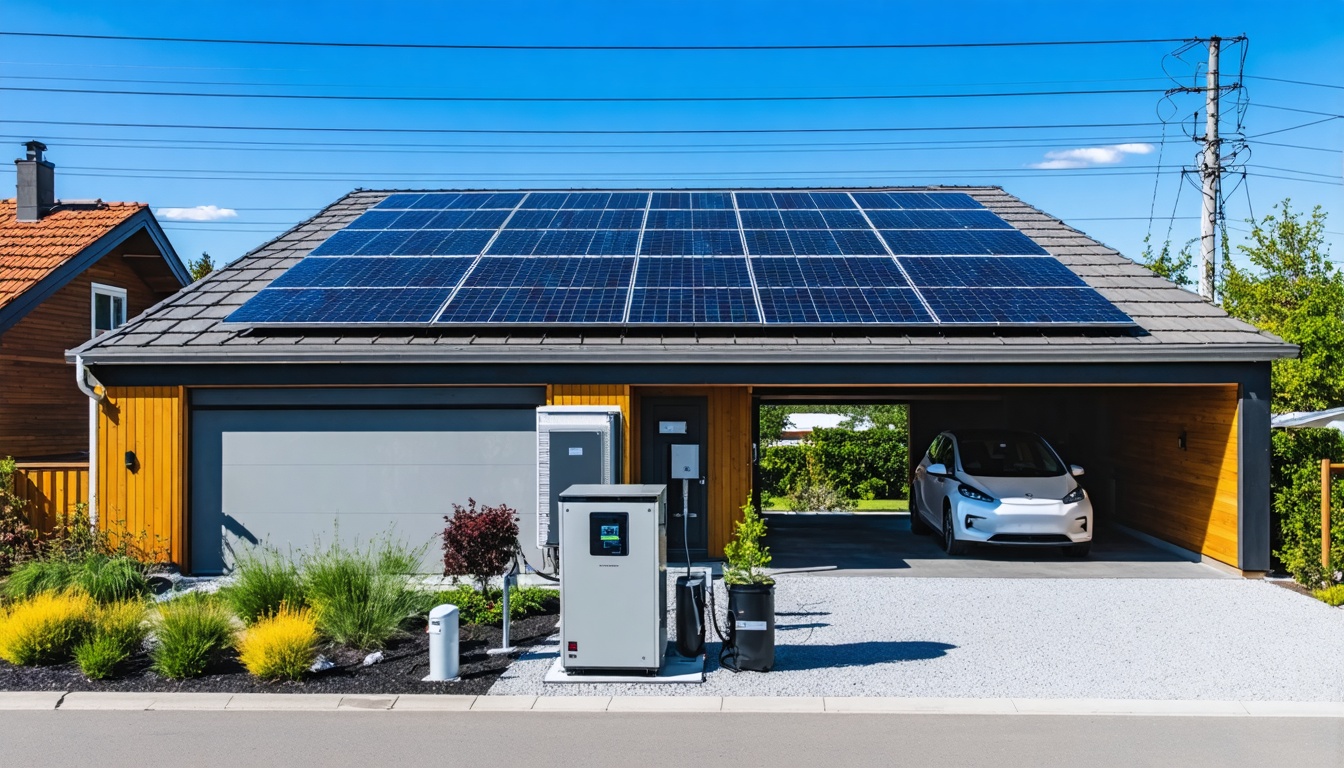
What a More Resilient Home Energy Plan Looks Like in the United States
When you think about powering your home, you can’t ignore how rising costs, weather disruptions, and evolving technologies are changing what you need from your energy plan. If you want to make your home more resilient, you'll have to consider more than just switching on the lights—think renewables, smart upgrades, and the policies shaping your monthly bills. But where do you start, and how do you make these shifts affordable and effective?
Defining Energy Affordability and Resilience
Energy affordability is an important aspect of household financial management, particularly regarding the costs associated with upgrading energy systems in homes. The concept of resilience in energy systems relates closely to energy security and the risks associated with emergencies or extreme weather conditions. The limitations of unreliable energy systems are especially pronounced in low-income and rural areas.
Current data indicates that approximately 90% of single-family homes lack access to affordable and clean energy options, such as rooftop solar panels or battery storage systems. This gap in accessibility puts millions of households at increased risk during disasters and prolonged periods of extreme heat.
Improving energy access will require a comprehensive strategy that incorporates best practices, workforce development, and substantial investments in infrastructure.
The success of such initiatives will depend on coordinated planning, provision of technical assistance, and the creation of financial incentives aimed at empowering local communities. These efforts are crucial for enhancing access to consistent energy sources and ensuring public safety.
Households as Essential Energy Infrastructure
Research indicates that households have the potential to enhance national energy infrastructure through the adoption of various technologies. The implementation of rooftop solar panels, energy storage systems, and energy-efficient electric appliances can improve household resilience to emergencies, extreme weather, and power outages.
These upgrades may lead to lower energy costs, support public safety, and stimulate economic development.
Investment strategies by utilities that promote access to these technologies can particularly benefit rural, low-income, and vulnerable populations.
Studies from numerous National Laboratories and state agencies demonstrate that the deployment of distributed energy resources can improve local utility operations, bolster grid stability, and help maintain safe temperatures during natural disasters.
These developments could have a positive impact on millions of households across the United States each year.
Key Strategies for Modernizing Home Energy Systems
Several strategies can effectively modernize home energy systems and improve resilience across various regions. One significant approach is the installation of rooftop solar panels, which can enhance energy independence. Coupled with battery storage solutions, these systems can ensure power availability during extreme weather events, natural disasters, or outages.
Additionally, the adoption of electric appliances contributes to energy efficiency and provides reliable backup during emergencies.
Addressing permitting processes is a critical factor as well. Streamlining these procedures can reduce upgrade costs and facilitate access to energy system improvements, especially in rural and low-income areas, which often encounter greater challenges.
Investments by utilities, along with financial incentives, can foster community-focused programs, such as community solar initiatives, virtual power plants, and demand response schemes. These programs have the potential to bolster local energy resilience while supporting public safety measures during adverse conditions.
Finally, the development of a skilled workforce and the deployment of distributed resources are vital for maintaining grid stability. These initiatives enable communities to effectively manage their energy needs while adapting to changing environmental conditions, ultimately contributing to a more resilient energy infrastructure.
Policy Interventions for Affordable Clean Energy
Access to affordable clean energy is largely contingent upon targeted policy interventions aimed at overcoming the challenges homeowners face when updating their energy systems. Key policy objectives should include reducing soft costs associated with clean energy adoption, providing financial incentives, and supporting the integration of innovative technologies such as residential solar panels, battery storage, and virtual power plants.
In the United States, federal policies have recently mandated utilities and electric cooperatives to improve access to clean energy resources, with a particular emphasis on serving low-income and rural communities.
The development of inclusive utility investment strategies and comprehensive planning is crucial for identifying the households most in need of assistance. Such measures can enhance community resilience, reduce electricity consumption, and improve energy security, especially during extreme weather conditions, natural disasters, and instances of power outages.
Advancing these policy initiatives can lead to a more equitable energy framework, enabling a broader swath of the population to benefit from the transition to affordable clean energy solutions.
Reducing Barriers to Electrification and Renewable Adoption
Many American households continue to encounter challenges related to electrification and the adoption of renewable energy sources, despite a growing emphasis on cleaner energy solutions. Key obstacles include restrictive permitting processes and high initial costs, which can dissuade households from utilizing technologies such as rooftop solar panels and battery storage systems. To better understand these options, exploring various Residential Solar Resources can provide valuable insights into how homeowners can navigate these challenges effectively.
Research suggests that implementing reforms to utility rates, offering technical support, and creating inclusive investment strategies can significantly improve access to these technologies, particularly for low-income and rural communities.
State governments can further facilitate this transition by prioritizing investments in electrification rather than gas infrastructure, which can lead to improvements in the reliability of power systems. Such a transition aims to decrease the frequency and severity of power outages experienced during extreme weather events and enhance public safety.
Addressing these barriers is crucial for advancing the adoption of electrification and renewable energy solutions across a diverse range of households.
Leveraging Community Investments for Greater Impact
Investing in distributed energy resources, such as solar panels, battery storage, and microgrids, provides communities with enhanced control over their energy supply and contributes to resilience during power outages.
The installation of rooftop solar and battery systems can serve as backup energy sources, particularly in areas susceptible to severe weather conditions, ensuring regulated temperatures during emergencies.
Federal infrastructure investments can assist state agencies in improving access to these technologies for rural and low-income communities. This accessibility may also encourage local economic development, supported by workforce training initiatives aimed at enhancing skills within these populations.
Research from the National Laboratory suggests that these strategies can result in lower electricity demand and costs while also contributing to the reliability of the power grid.
Through careful planning and community engagement, local leaders can identify specific needs, improve public safety measures, and build organizational capacity to manage these energy resources effectively.
Enhancing Energy Security for Vulnerable Populations
Reliable access to electricity is essential for all individuals, but economically disadvantaged populations and those with health-related challenges are particularly vulnerable during power outages. Targeted initiatives, such as subsidized residential solar energy systems, backup battery storage, and virtual power plants, can enhance resilience for these households.
Utilities and state agencies should work to expand the availability of these resources, especially in rural areas where residents may face high energy costs. Key measures to consider include emergency utility shut-off protections, the establishment of cooling centers during extreme heat events, and the creation of tailored emergency planning processes for at-risk groups.
Investing in these initiatives not only improves public safety but also supports individuals who depend on electricity for medical equipment. Additionally, strengthening the electric grid can provide benefits to the broader community, contributing to a more resilient energy infrastructure.
Overall, a systematic approach to enhancing energy security for vulnerable populations is necessary to ensure equitable access to power and mitigate the impacts of outages.
Addressing Regional Challenges and Innovative Solutions
Regional priorities significantly influence the resilience of home energy systems in the United States. Specific local conditions, such as the risk of coastal storms and the distinct challenges faced by rural areas, require tailored solutions rather than a one-size-fits-all approach.
For example, in Southern California, the adoption of distributed rooftop solar systems combined with battery storage and backup power becomes crucial for managing the surging electricity demand, particularly during heat waves.
In rural states, improving access to clean energy and dependable power infrastructure is essential for local economic growth and public safety. Research indicates that strategic investments by utility companies, systematic planning, and the deployment of innovative technologies can effectively enhance support for vulnerable households, especially during extreme weather and emergencies.
This targeted strategy highlights the necessity of aligning energy policies with the specific needs of each region to improve the overall resilience of energy systems.
Funding Mechanisms and Financial Accessibility
Securing reliable funding is essential for enhancing home energy resilience across households in the United States. Recent trends indicate that state governments and utility companies are increasingly investing in technologies such as rooftop solar panels, battery storage, and backup power systems. These investments aim to support vulnerable communities, particularly those who experience disproportionate impacts from extreme weather events, heat waves, and power outages.
Programs that offer weatherization assistance and inclusive utility investment strategies are designed to extend the advantages of these technologies to a broader population, especially low-income residents. Financial incentives and technical assistance programs are pivotal in improving access to clean energy solutions.
These initiatives also lead to job creation in the renewable energy sector, providing further economic benefits alongside energy improvements. By increasing access to these resources, households can enhance their ability to secure clean energy, maintain safe indoor temperatures, and effectively respond to emergencies, all while mitigating the financial implications of these upgrades.
A comprehensive approach to funding and support can improve energy resilience and accessibility for diverse communities, promoting greater energy equity across the nation.
Measuring Outcomes: Affordability, Reliability, and Job Creation
Monitoring the effects of home energy policies is essential for understanding their respective outcomes in terms of affordability, reliability, and job creation. A systematic evaluation allows for an objective assessment of how well new initiatives align with their goals.
Prioritizing resilience and security is especially vital for communities that include vulnerable and low-income households, as it enables them to effectively manage the challenges associated with power outages and extreme weather events, thereby improving public safety and comfort.
Moreover, investigating the connections between infrastructure investments, the installation of solar panels, battery storage systems, and the utilization of electric appliances can yield important insights into cost reductions and the potential for economic growth.
As technological advancements facilitate broader access to energy solutions, sound planning, financial incentives, and workforce development initiatives are necessary to create sustainable energy systems. Such strategies not only support job creation but also aim to lower household energy expenses overall.
By closely monitoring these factors, stakeholders can derive valuable insights that inform future policy decisions and strengthen community energy resilience.
Conclusion
A resilient home energy plan in the United States emphasizes both resilience and affordability as essential components for future-proofing energy use. The integration of renewable energy sources, such as solar and wind, is one strategy for reducing reliance on fossil fuels and mitigating the impact of volatile energy costs. Additionally, investing in energy efficiency measures—like high-efficiency appliances and improved insulation—can further decrease overall energy consumption and costs. Community initiatives, such as local energy cooperatives and shared renewable energy projects, provide opportunities for households to participate in collective solutions to energy challenges. These initiatives can enhance energy security by diversifying energy sources and reducing dependence on centralized grids. The role of supportive policies cannot be understated. Government incentives and regulations can facilitate the adoption of renewable technologies and energy efficiency upgrades. Moreover, advancements in smart technology, such as energy management systems, allow homeowners to monitor and control their energy usage more effectively, leading to potential savings. Staying informed about energy markets and policies is crucial. By actively engaging in energy discussions and remaining aware of changes, households can make informed decisions that contribute to long-term energy security, sustainability, and cost-effectiveness as the energy landscape continues to evolve.